
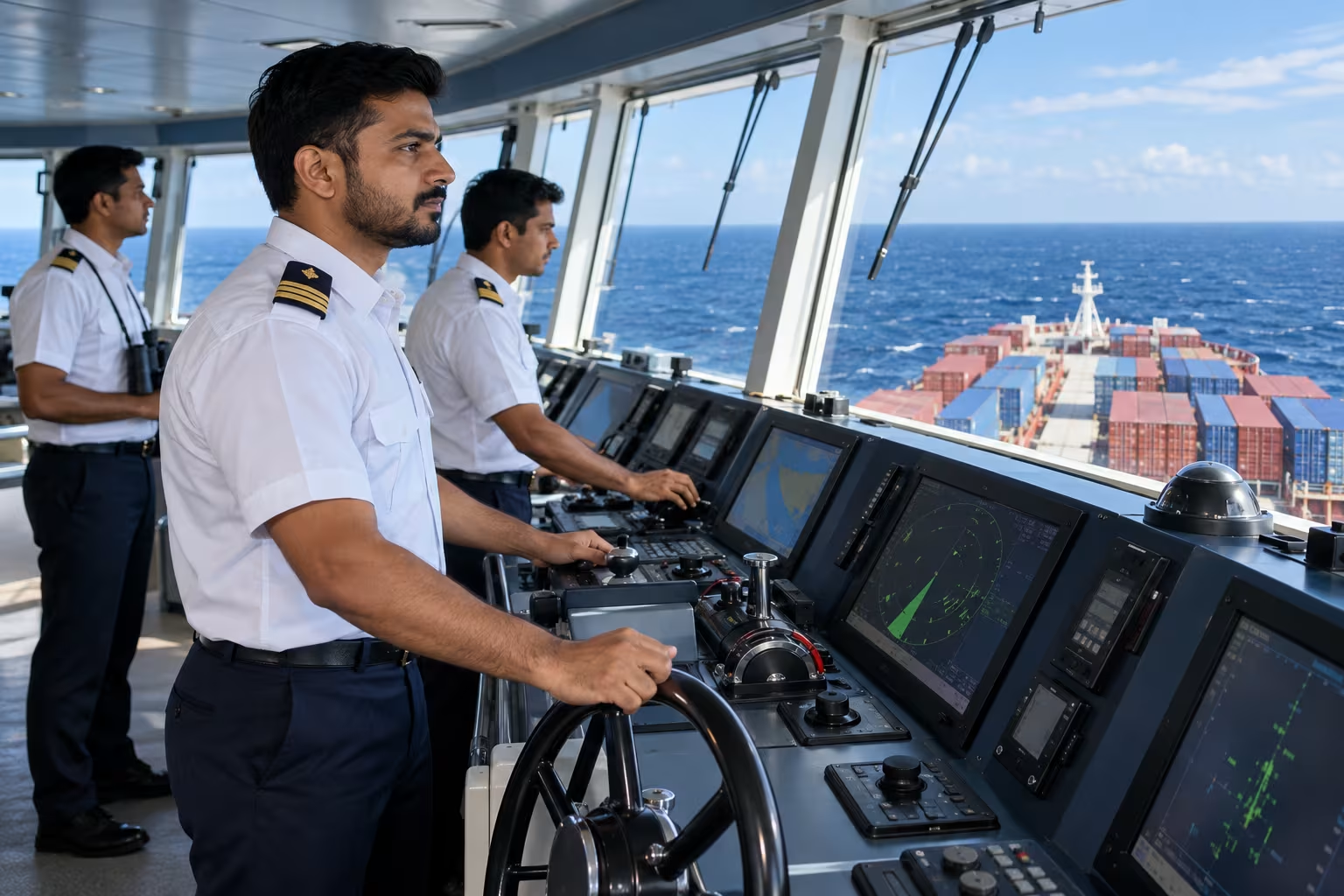
Deck Department
Navigation, cargo operations, mooring, maintenance and watchkeeping on the bridge.
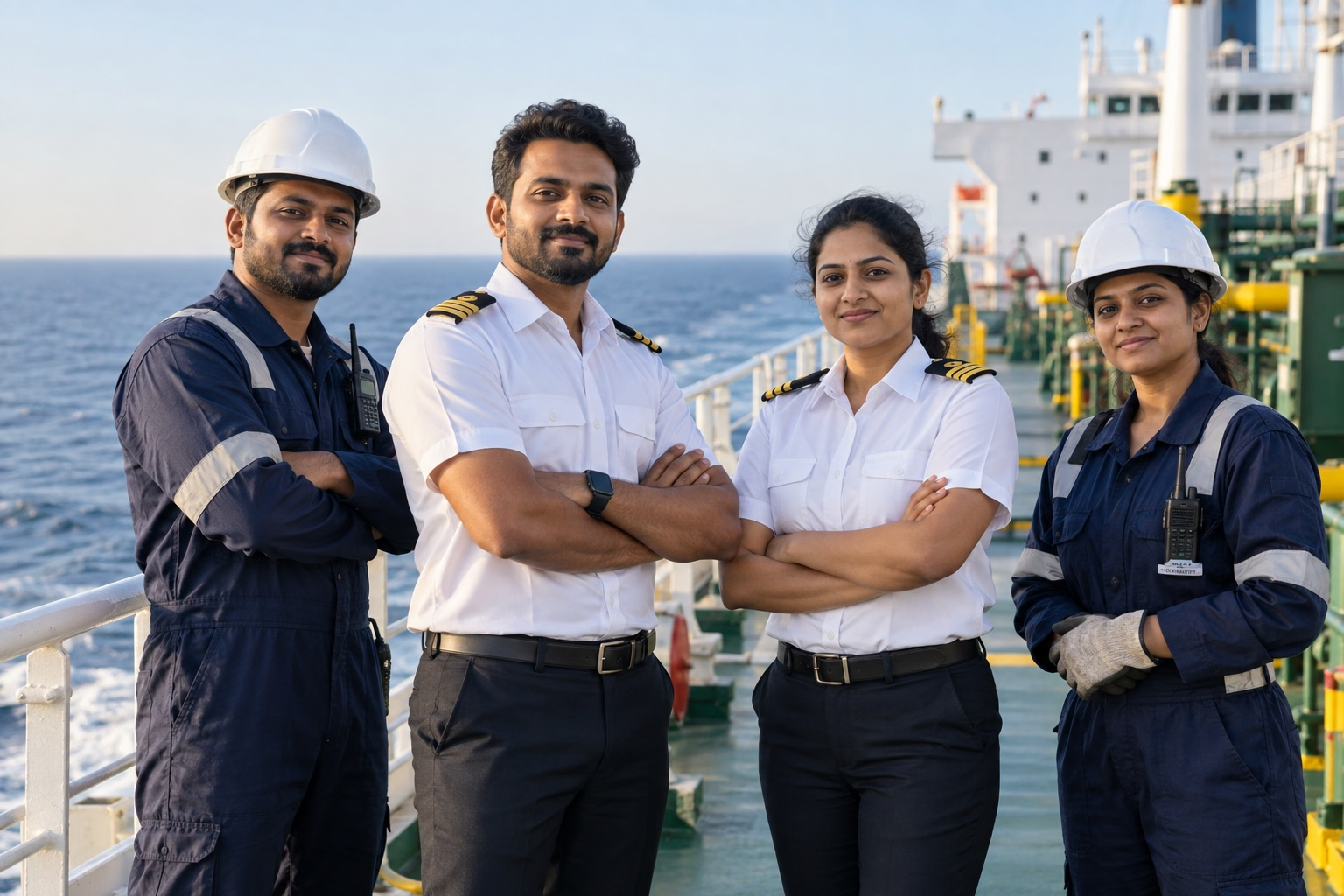
Watchkeeping on the bridge, teamwork in the engine room, meals with your crew and sunrises over open water. Here is what life on board a merchant ship is really like.

 Somewhere at sea
Reserve your seat today. Our counselling team will call you to confirm your booking, and the fee is paid only after confirmation.
No payment now. Our team will call you to confirm your seat.
Fill in your details and our team will call you back.
Fill this form to get the special discount on your course fee.
A sample day for a watchkeeper on the 4-to-8 watch. Routines vary by rank, department and ship.
On the bridge or in the engine room: lookout, navigation checks or machinery rounds.
Hand over the watch, then breakfast with the crew.
Maintenance, safety checks, cargo work or training, under your officer.
Lunch break and rest hours to stay fresh for the next watch.
Back on watch for the 16:00–20:00 shift.
Dinner, calls home, a movie, the gym or games with the crew.
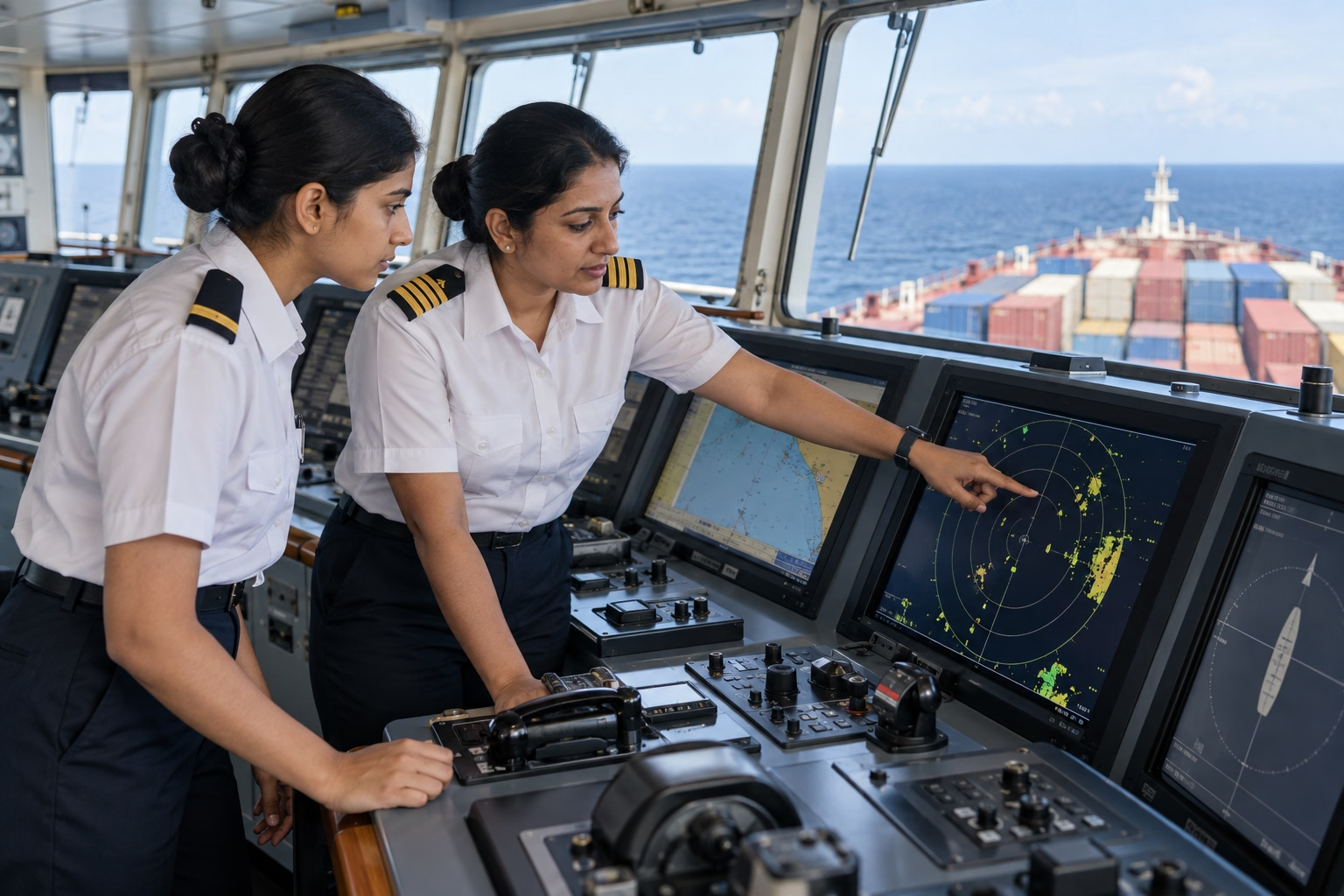

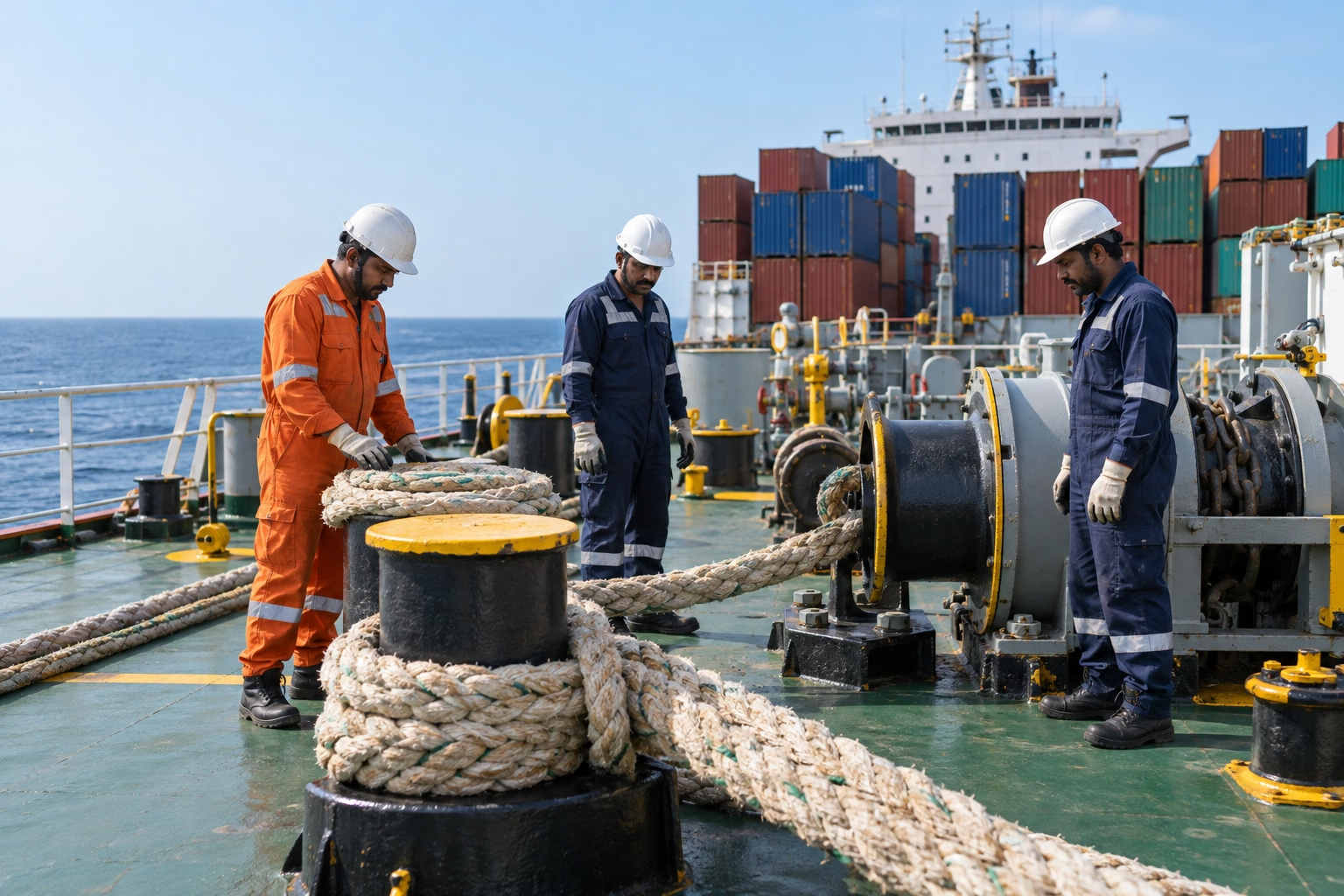
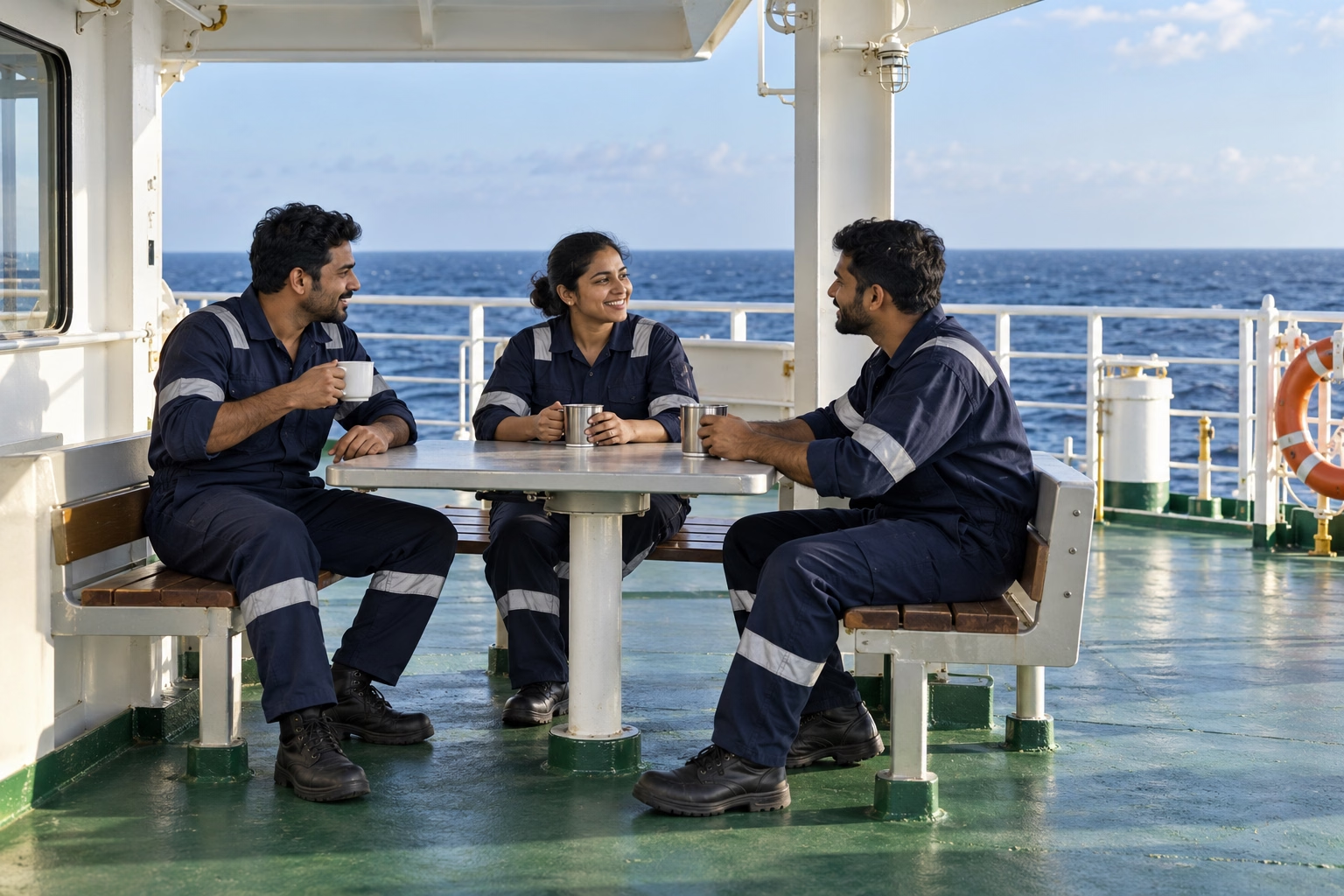
This is an example routine. Actual hours depend on the ship's watch system, port calls, cargo work and drills.
Every seafarer belongs to a department, but on board everyone shares responsibility for safety.
Navigation, cargo operations, mooring, maintenance and watchkeeping on the bridge.

Operating and maintaining main engines, generators, pumps and all machinery.

Cooking, provisions, hygiene and keeping the crew well fed and comfortable.
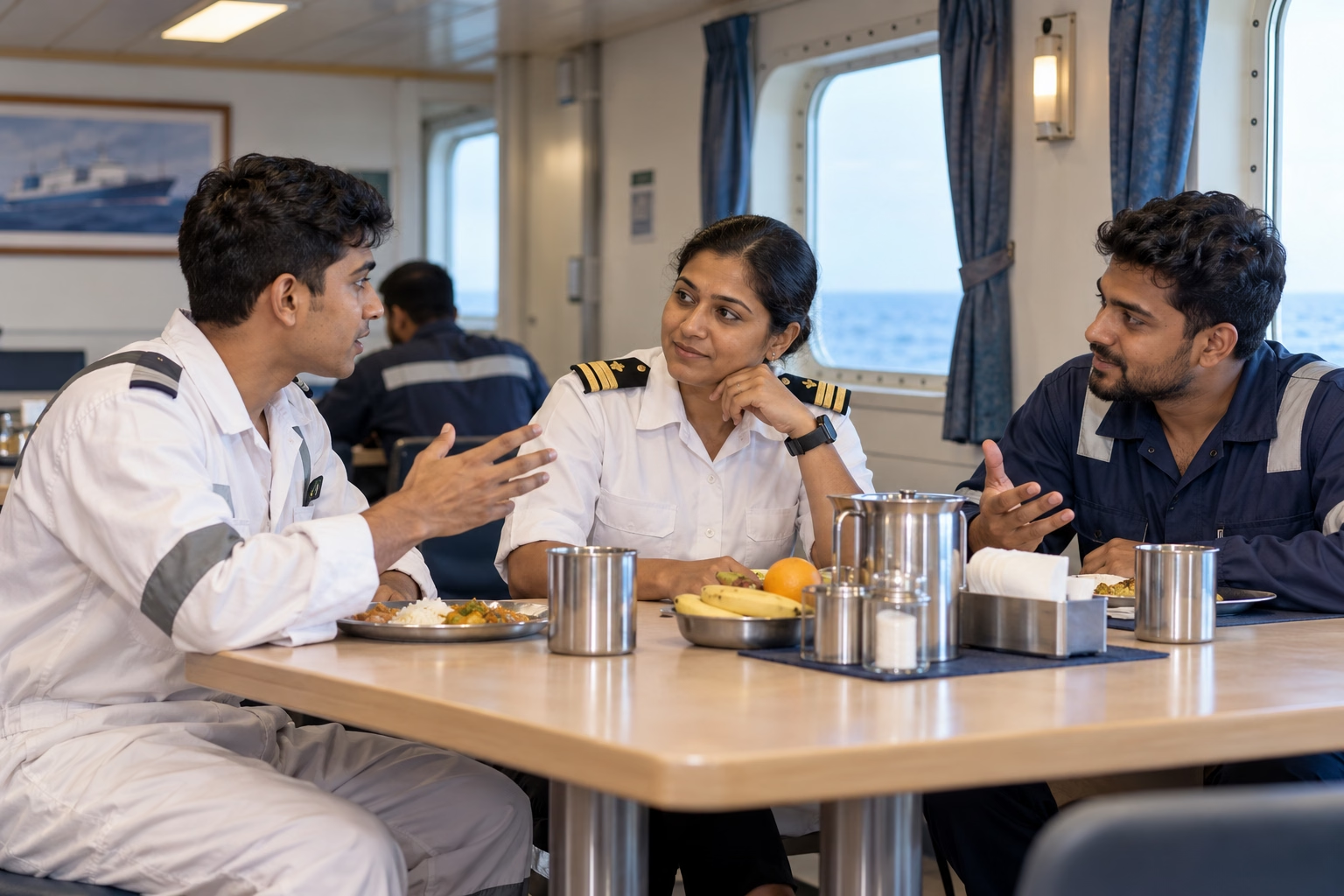
Safety drills, emergency duties and working as one crew, whatever your rank.
A ship is where you work, eat, rest and spend time with your crew, often for several months.
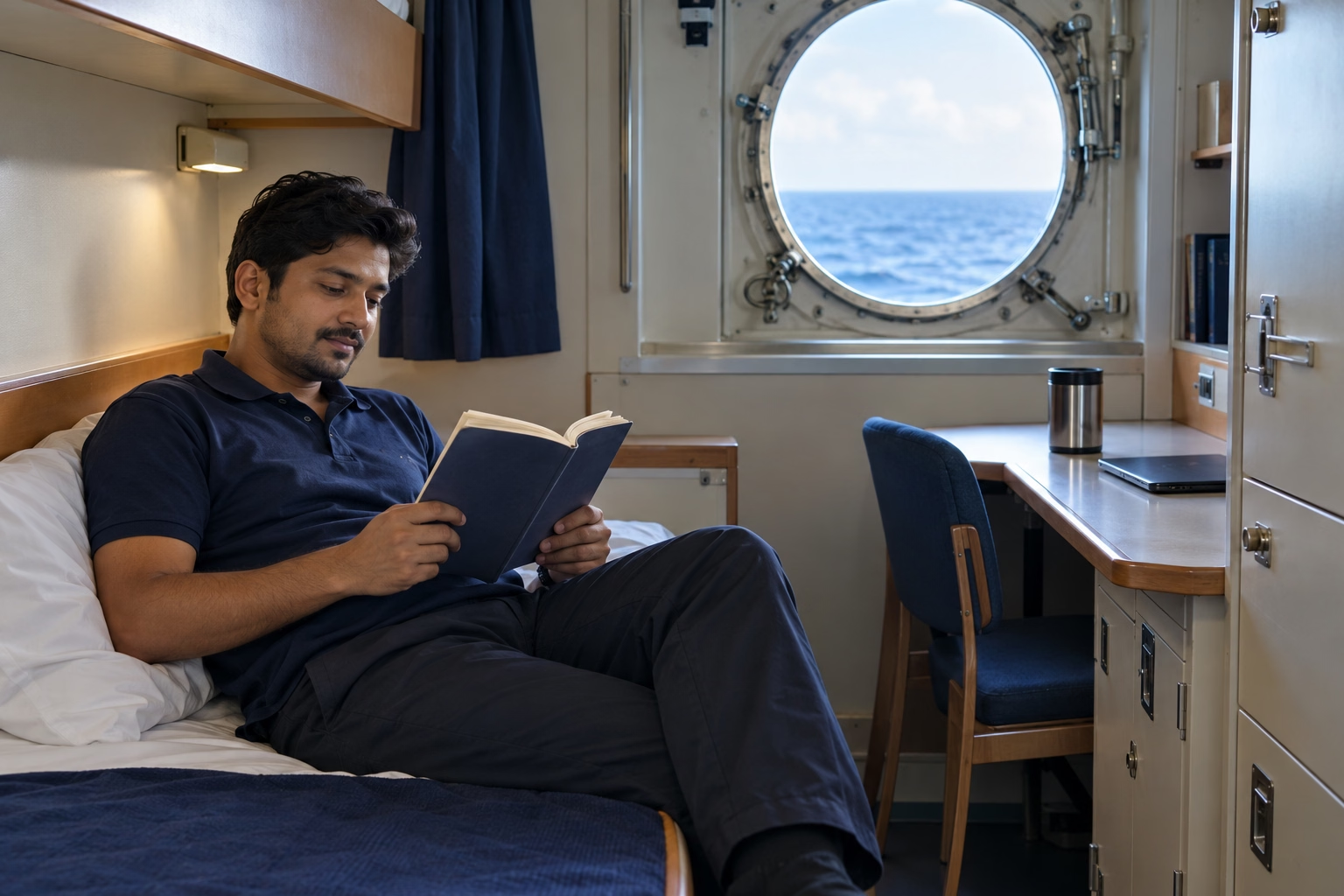
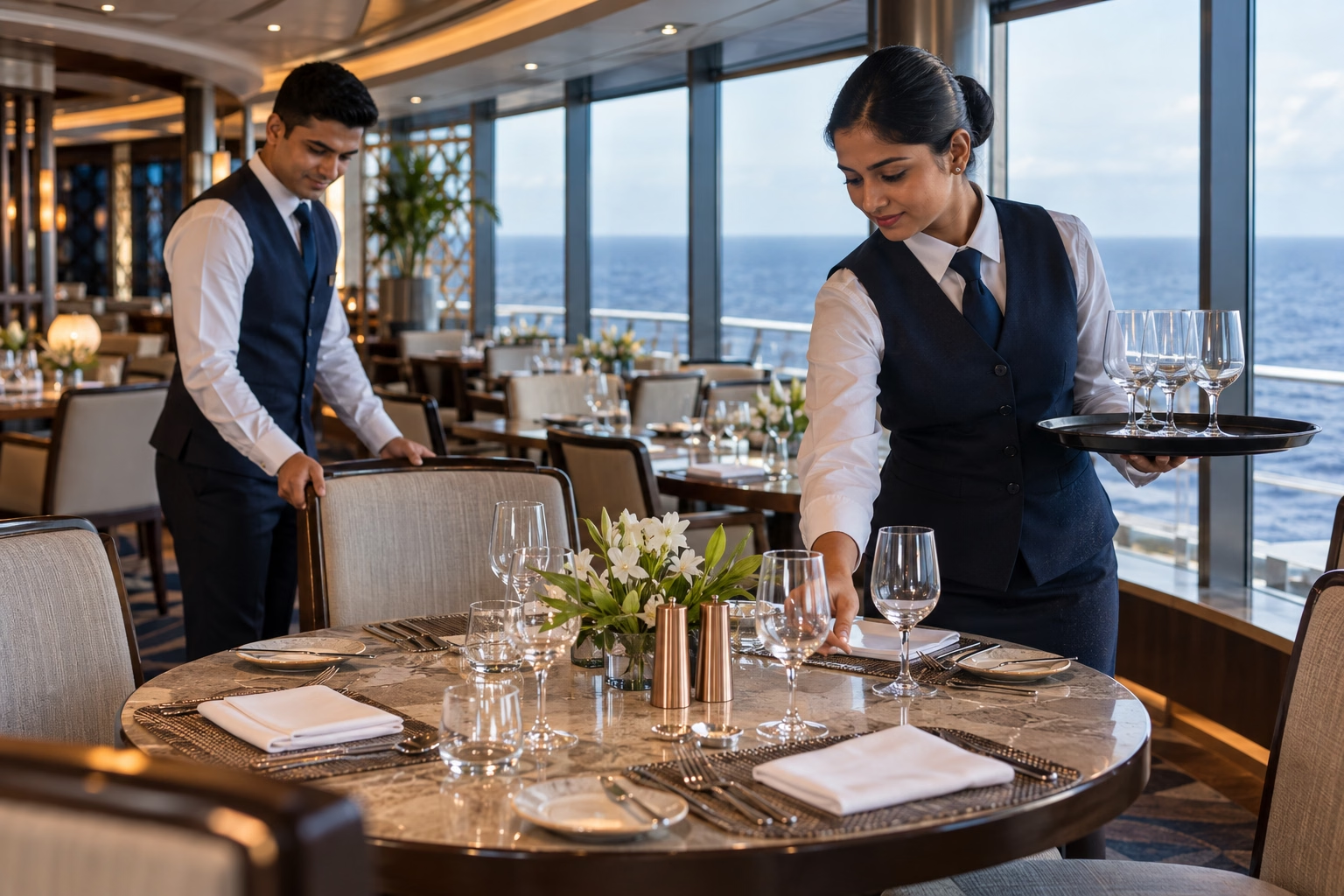
Ships never stop, so work is organised in watches with protected rest hours.
On many ships, watchkeepers follow 4 hours on and 8 hours off, twice a day: 00–04 & 12–16, 04–08 & 16–20, 08–12 & 20–24.
Under the Maritime Labour Convention (MLC 2006), seafarers must get at least 10 hours of rest in any 24 hours and 77 hours in any 7 days.
Regular fire, abandon-ship and emergency drills, permits to work, PPE and toolbox talks before jobs.
Punctual watch handovers, following orders and procedures exactly. On a ship, discipline keeps everyone safe.
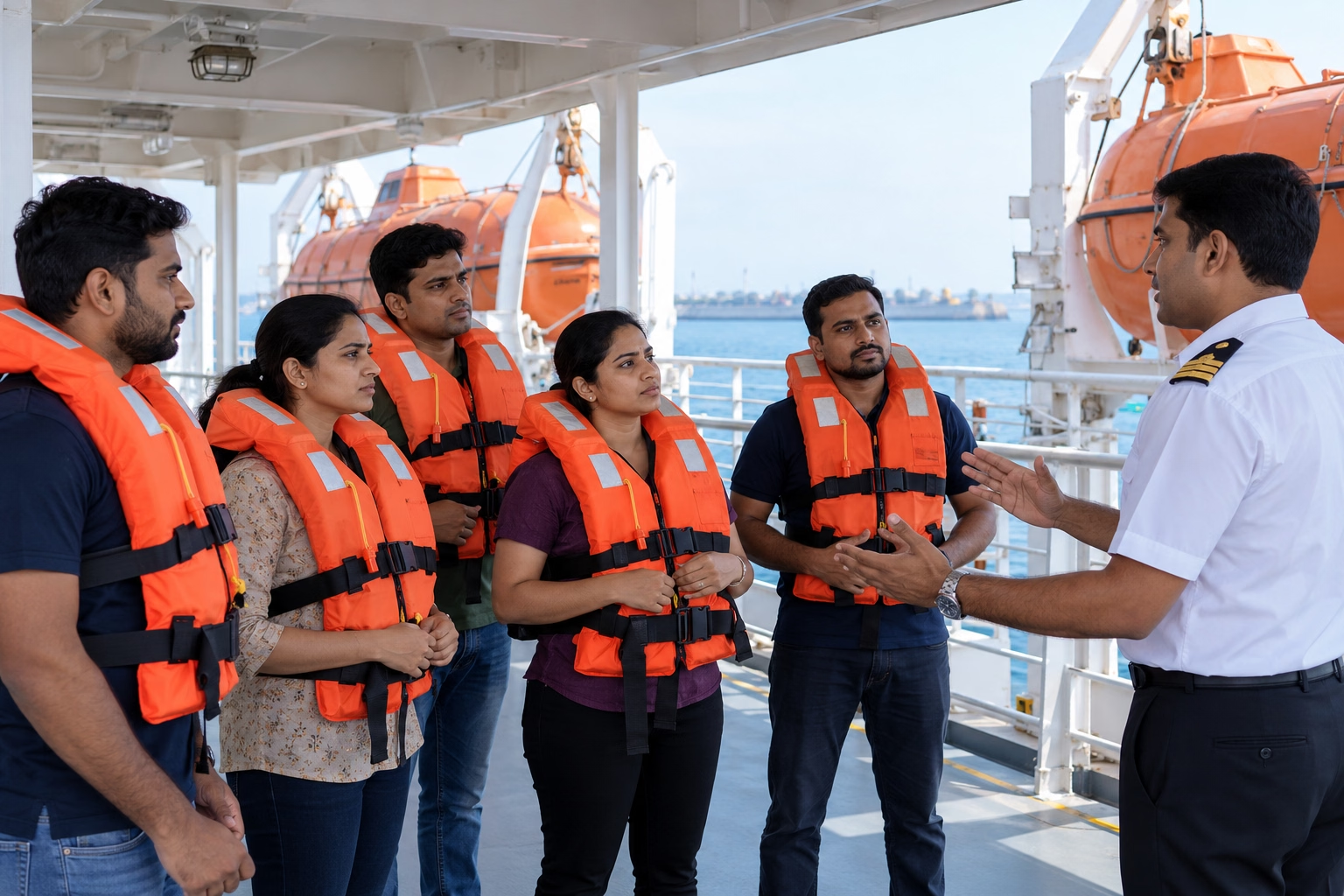
An honest look at what is hard about sea life, so you can prepare for it.

Contracts usually last several months, depending on rank and company. Missing family events is part of the job.
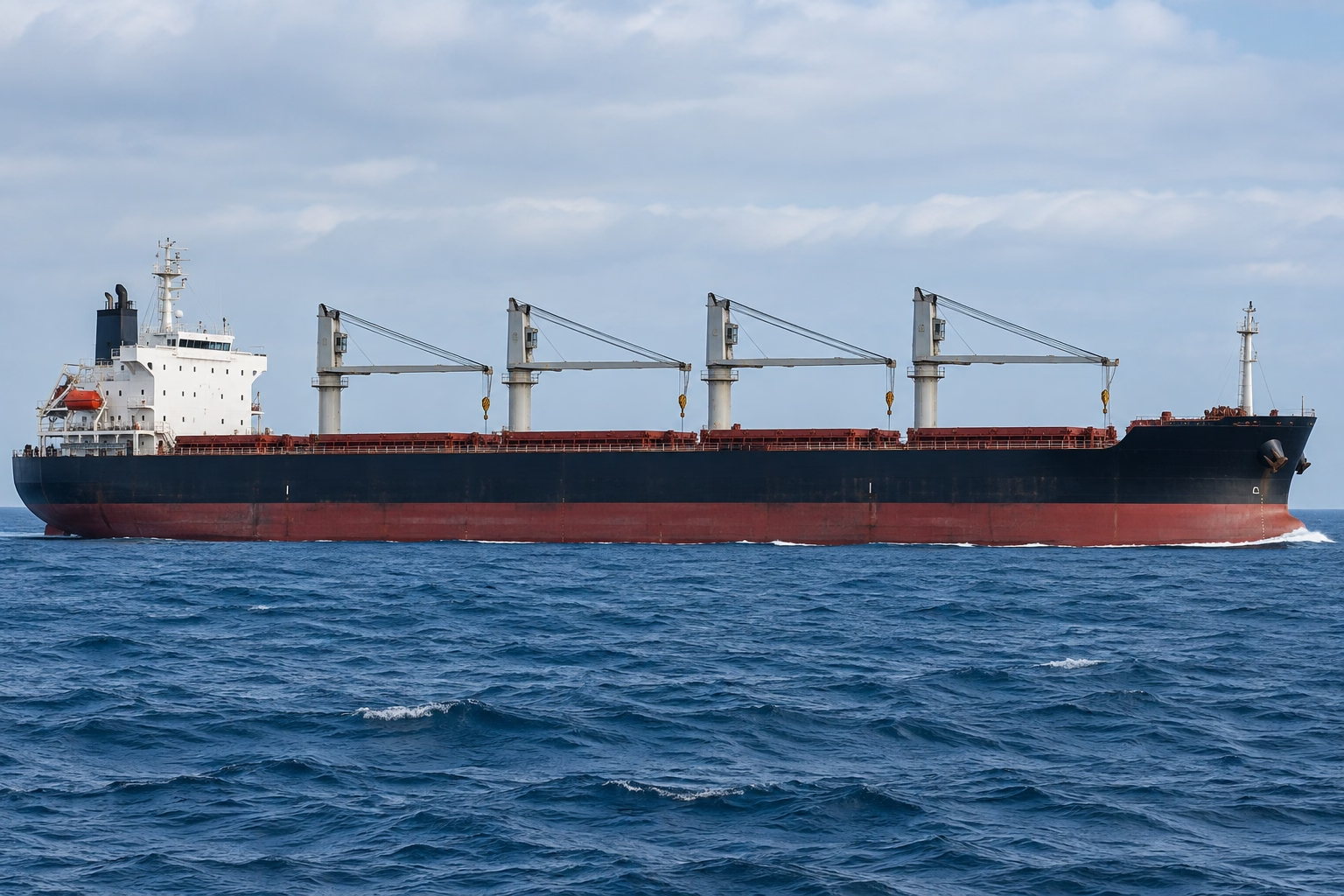
Rough seas, heat, cold and long ocean passages test your stamina.

New routines, limited space and living with the same crew for months.
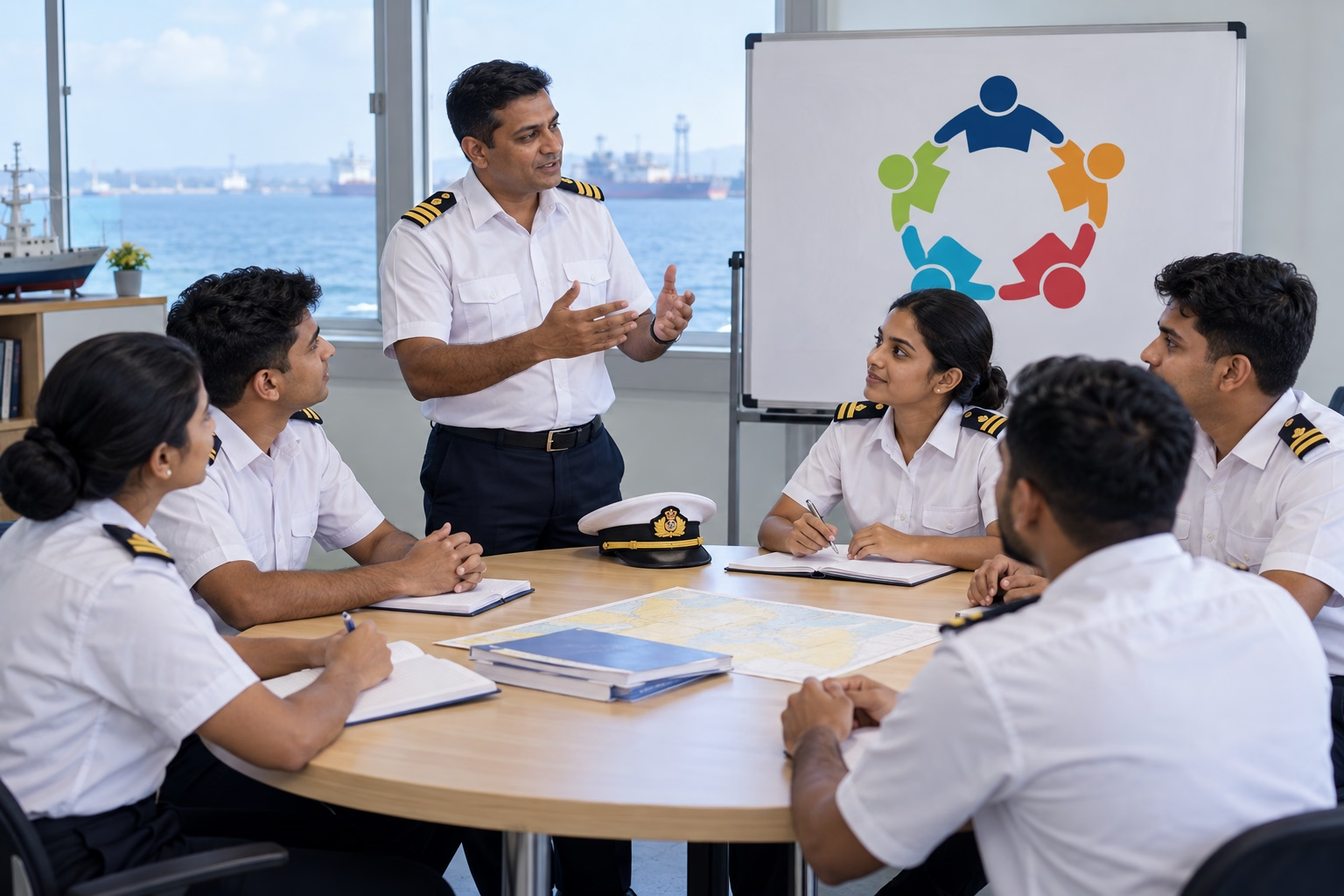
Every task matters. One mistake can affect everyone on board.
International ports, new countries and cultures, and experiences few careers can offer.




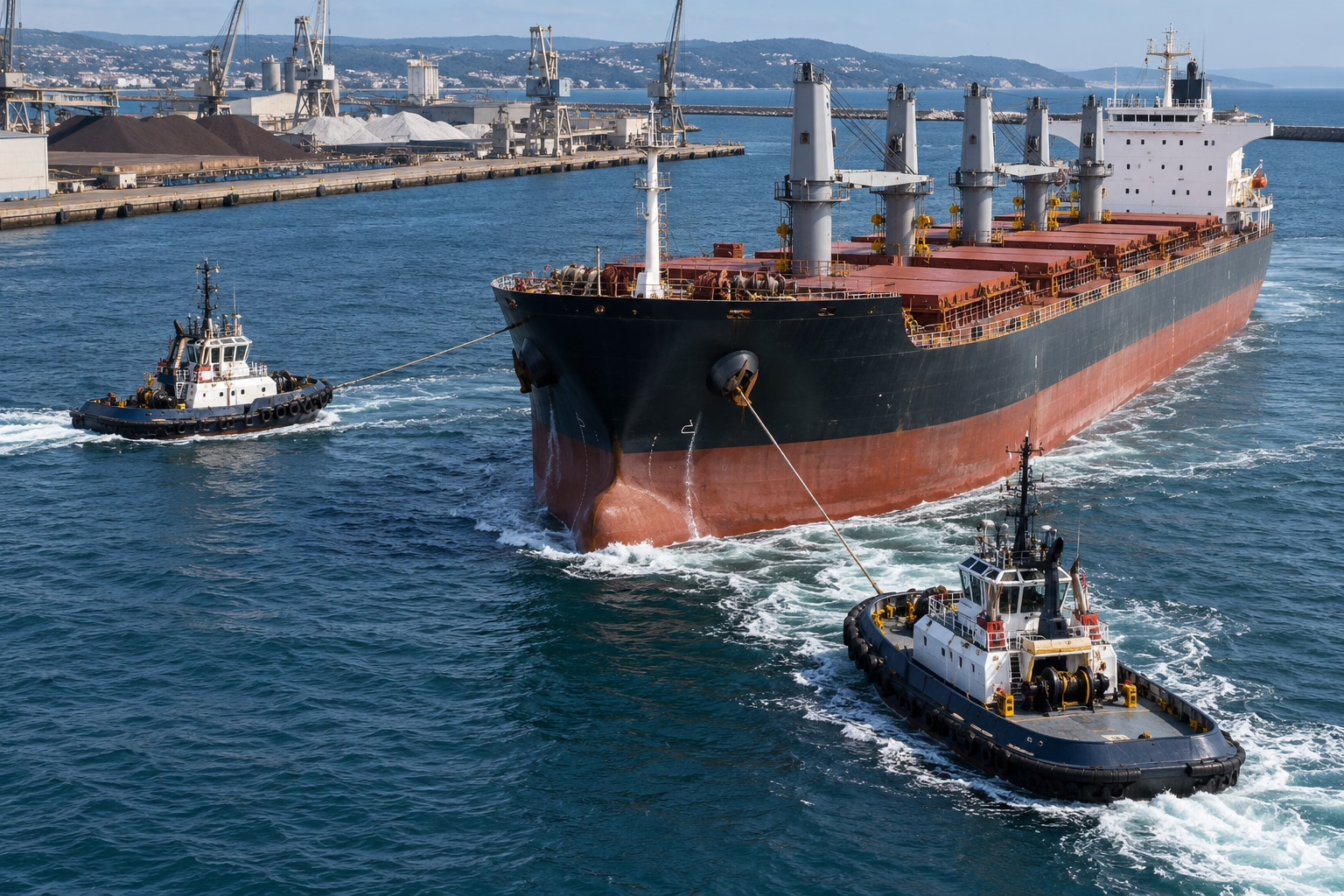

Shore leave depends on time in port, cargo operations and local immigration rules, so port visits are not always possible.
Five things every fresher should know before joining a ship.
 01
01Long days at first, lots to learn, and senior crew guiding you on every task.
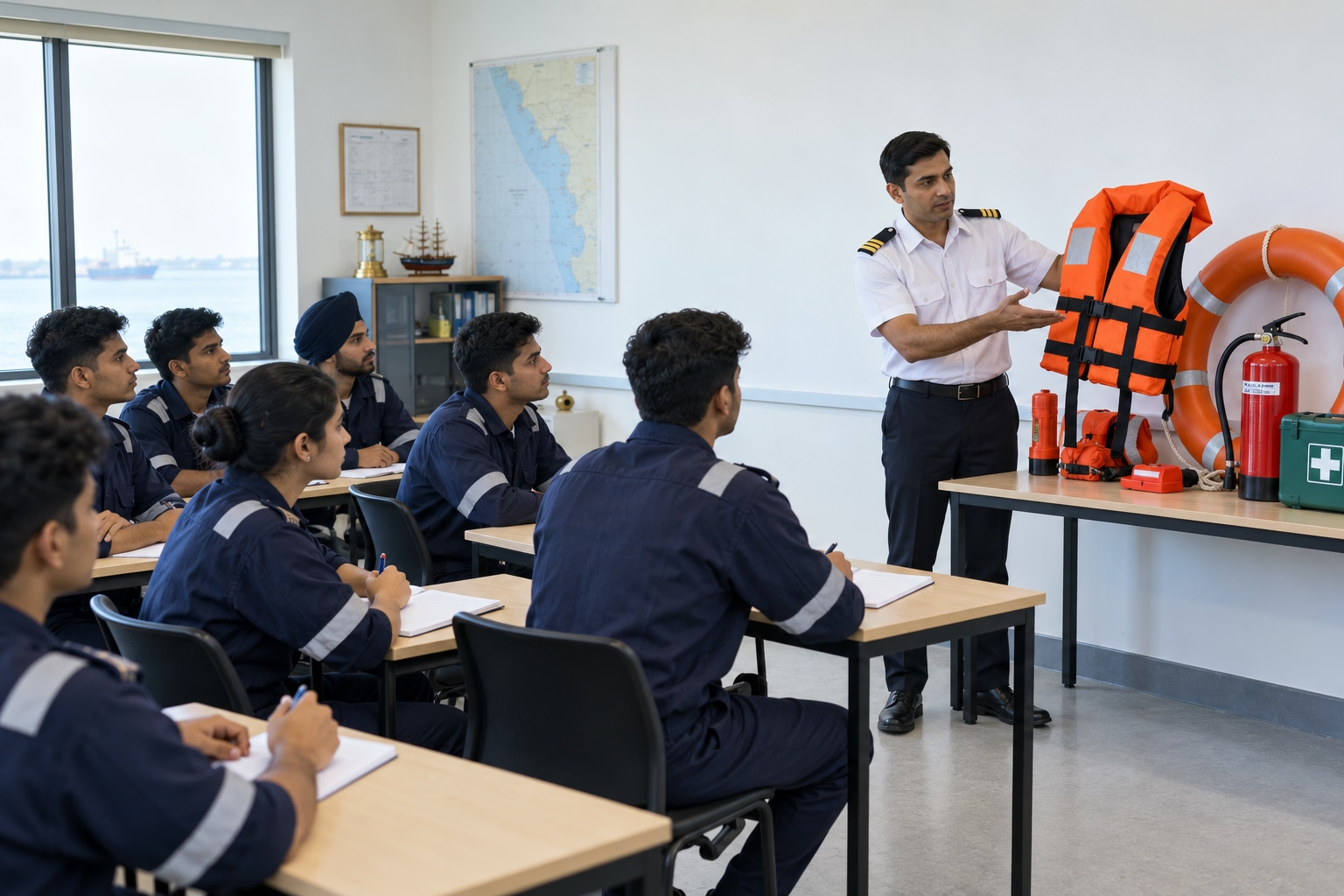 02
02Follow routines, respect the chain of command and keep learning on the job.
 03
03English is the working language at sea. Clear communication keeps everyone safe.
 04
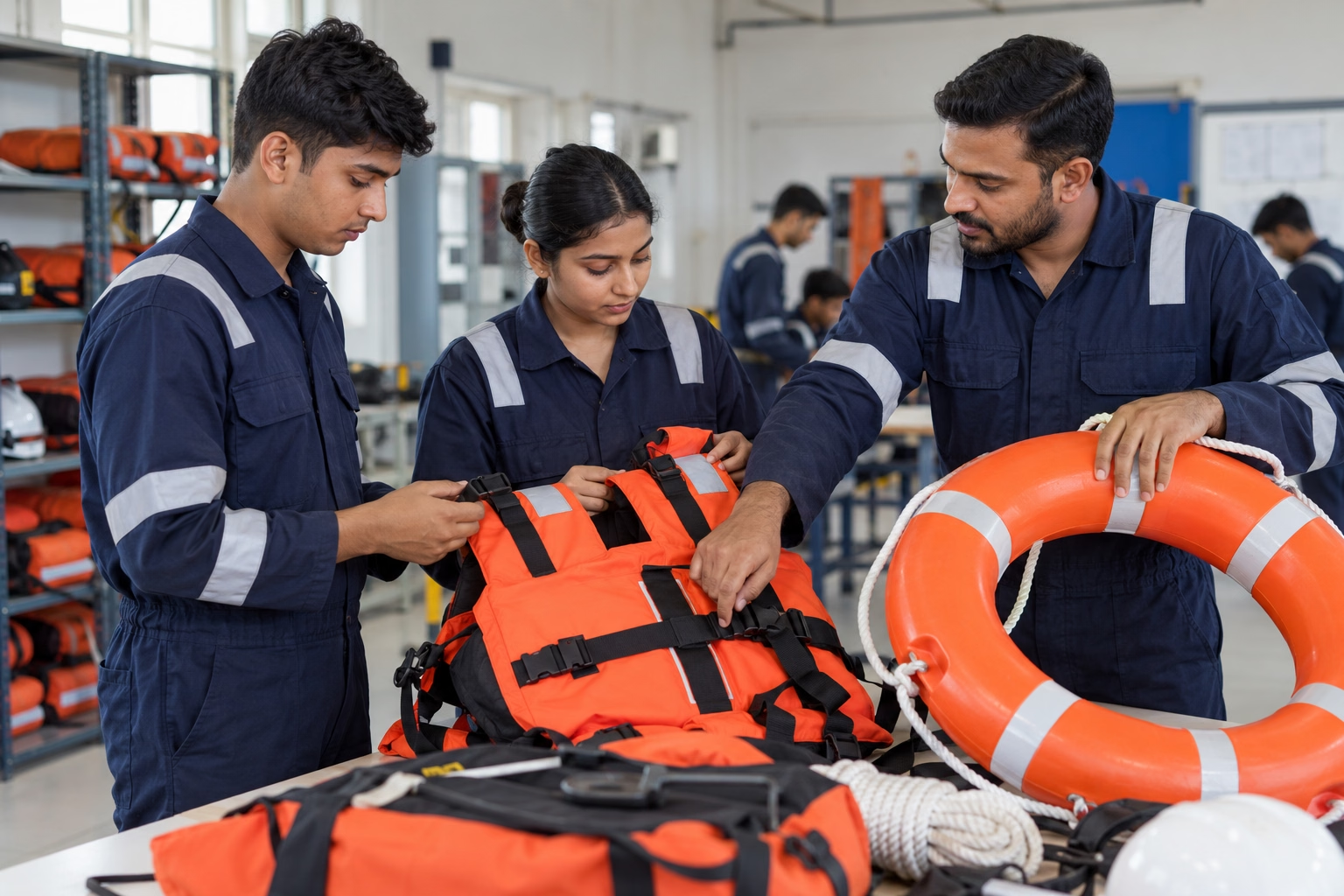
04Know your muster station, PPE and emergency duties from day one.
 05
05With experience, further training and CoC exams, you can rise to officer ranks.
Joining route: under DGS Order No. 12 of 2026, from 01 August 2026 the 5 Basic STCW courses alone no longer lead to an Indian CDC. Ask us about the right route for you.